Porcelain · Ceramic · Marble · Natural Stone
Tile is about 30% of our work, and it’s the one where the setter’s hands show. We’re based in Coconut Creek and set tile from Jupiter down to Homestead, across Palm Beach, Broward and Miami-Dade. Someone from our team measures your rooms and gives you the price in that same visit.
Four boxes. We call you back to set a time.
The case for tile
Tile has been the default South Florida floor for decades for reasons that haven’t changed. It stays cool. It doesn’t care about humidity. Sand, pool water and salt air do nothing to it, and a good porcelain floor outlives most of the other decisions you make in a house.
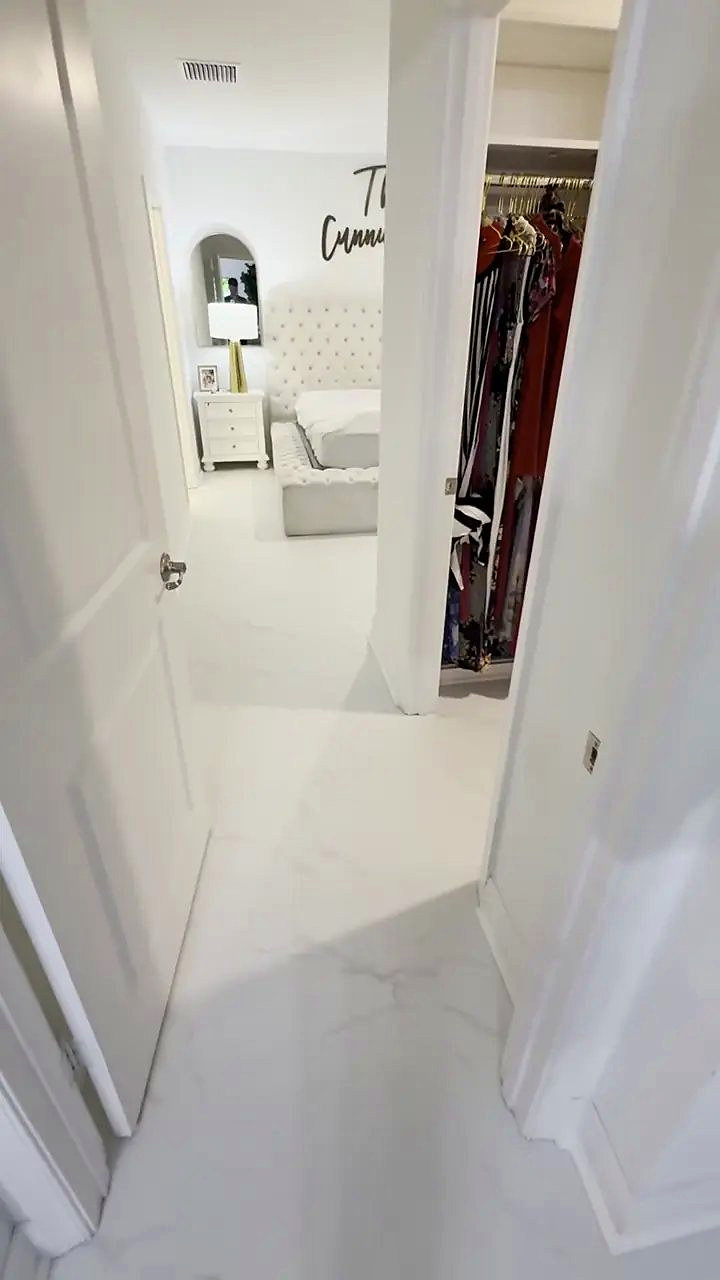
What has changed is what tile can look like. Large-format porcelain in 24x48 and larger gives you a floor with very few grout lines, which reads calm and makes a room feel bigger. Wood-look plank tile gives you an oak floor you can hose off. Book-matched porcelain mimics marble without the sealing schedule. If the last tile you looked at was a 16-inch beige square, the category has moved a long way.
Where tile costs you is time and dust. It takes noticeably longer than vinyl plank, because thinset cures on its own schedule and grout does too, and no crew can compress that. We tell people this before they sign, not after.
Materials
A few decisions get made at the in-home visit. None of them are complicated once somebody who sets tile for a living talks them through in the room they are going into.
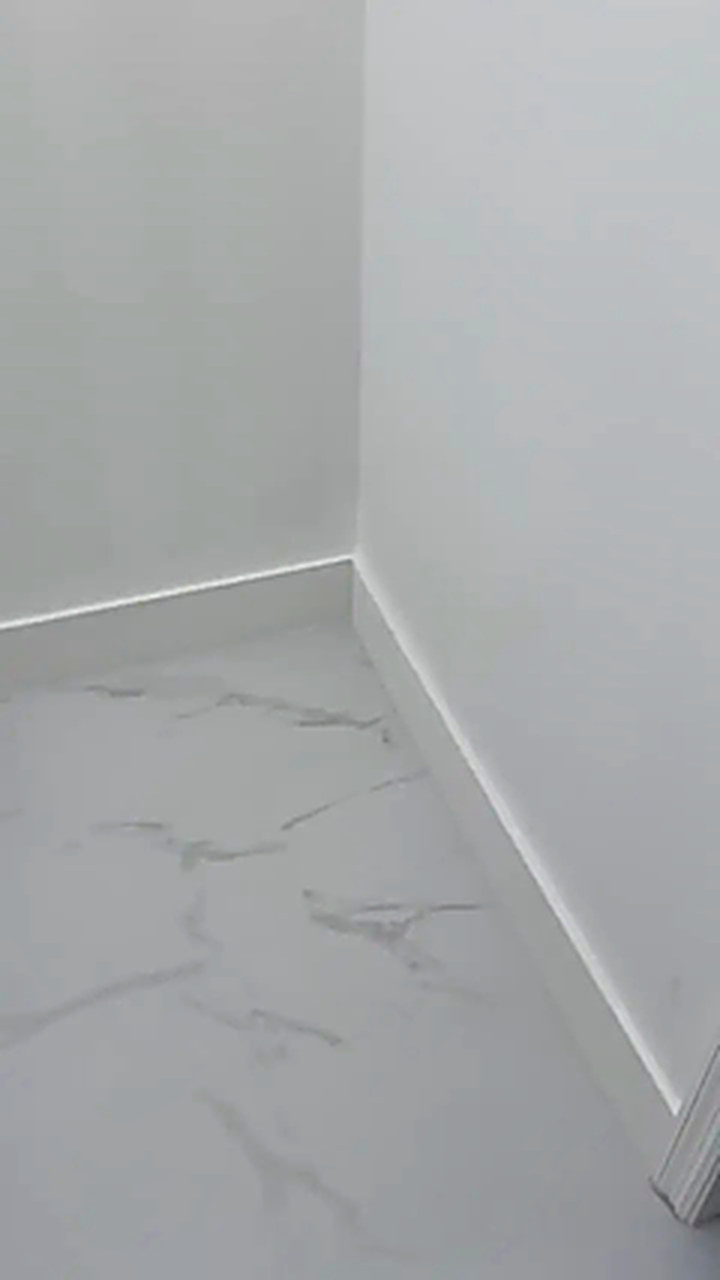
The workhorse. Dense, low absorption, and available in large formats, wood-look planks, concrete looks and stone looks. It’s what we install most, and it’s what we’d put in our own houses.
Softer and more affordable than porcelain, and a reasonable choice in low-traffic rooms and on walls. Not our first pick for a busy main floor.
Beautiful and demanding. Natural stone needs sealing, it moves with the substrate, and it’s unforgiving of a slab that isn’t flat. We install it. We’ll also tell you plainly what maintaining it looks like before you commit.
Anything with a side over 15 inches changes the job. The slab has to be flatter, mortar goes on the back of each tile as well as the floor, and leveling clips stop one tile sitting proud of the next. Stand in a large-format room with the low afternoon sun coming across the floor and you can see every millimeter of whoever laid it.
We do bathroom floors and shower walls, and we take the work when it comes attached to a larger job. It’s a supporting service rather than our focus, so the honest answer is that we’re a flooring company that tiles bathrooms, not a bathroom remodeler.
The details
It changes the whole floor. A matched grout makes a large-format floor read as one surface. A contrasting grout draws every line and makes a pattern deliberate. Bring this question to the visit, and settle it against the tile you have actually chosen. Grout reads one color under store lighting and another one on your floor.
Narrower looks cleaner, but it needs a flatter tile and a flatter slab. Tiles cut square after firing, sold as rectified, can go tighter than ordinary pressed ones. We’ll tell you what your specific tile can hold.
Where tile meets carpet, wood or a different room’s floor, something has to bridge the height difference. Done well, you barely notice it. Done badly, it’s the first thing you see every time you walk through the door.
What actually happens
A tile job is mostly preparation. The tile itself is the fast part.
Tear-out comes first, and tile tear-out is the dustiest work in flooring. Old tile and thinset get broken up and carried out. We contain the area and clean at the end of each day, but the honest expectation is that a tile demolition day is loud and messy.
Then the slab. Tile is only as flat as what’s under it, and large-format tile is brutally honest about a slab that dips. High spots get ground, low spots get filled, and the surface gets checked with a straightedge before a single tile goes down. Skip that and you get lippage, tile edges standing proud of their neighbors, the kind you catch a toe on.
Layout gets set next, and it decides whether the finished floor looks designed or accidental. Where the full tiles land, which wall the pattern references, how the cuts fall at the doorways, whether the run continues straight through into the hallway. The crew snaps lines before they mix mortar.
Then setting, spacers, leveling clips, cure time, grout and a final clean. Most tile jobs in a main living area run several days depending on square footage and how the layout falls. You get the real schedule at the in-home visit, and the whole process is laid out here.
Service area
We set tile across Palm Beach, Broward and Miami-Dade, including Miami, Fort Lauderdale, Boca Raton and Coconut Creek. The full service area runs Jupiter south to Homestead.
Tile in a condo above the ground floor almost always triggers the building’s sound requirements, since tile sends impact noise straight into the unit below. Most South Florida buildings ask for an acoustic membrane or uncoupling mat rated to a minimum IIC or STC number, and many want approval before work begins. Bring your building’s flooring rules to the visit and we’ll spec and price the membrane into the job instead of surprising you with it later.
Pricing
Tile prices higher than vinyl and takes longer. Here is what decides where your job lands, and you get the exact number at the in-home visit.
What moves your job
Tile varies far more job to job than plank does, which is why the number gets given in person. Someone from our team stands on your slab, looks at your doorways and counts your cuts, then prices it at that same visit and sends a signing link to your phone. If you want real wood instead of a wood-look tile, the hardwood page covers what that involves here. Otherwise, book the visit.
Tile questions
Longer than vinyl. Thinset and grout need cure time nobody can shorten, and a tile tear-out adds a day on its own. Most main-floor tile jobs run several days. You get the specific schedule at the estimate.
Sometimes, if it’s well bonded and flat and the added height doesn’t create a problem at doors, thresholds and appliances. It saves demolition time. It also raises your floor by roughly half an inch, which matters more than people expect at a front door or a dishwasher.
Porcelain and most ceramic, no. Natural stone, yes, and on a schedule. Cement-based grout benefits from sealing regardless of the tile.
Porcelain is denser and absorbs less water, which makes it tougher underfoot and better suited to a busy floor. Ceramic costs less and is easier to cut. For a main living area in Florida we’ll usually steer you to porcelain.
Most buildings allow it with a sound-rated underlayment and written approval. The requirement is usually stated in the building’s rules as a minimum IIC or STC number. Send us the document and we’ll quote to it.
It depends on the tear-out, the slab, the tile size and the layout, and it varies too much between jobs for a number on a website to mean anything. The price comes at the in-home visit, measured and priced in the same appointment.
Yes, 400 square feet.
Book the visit
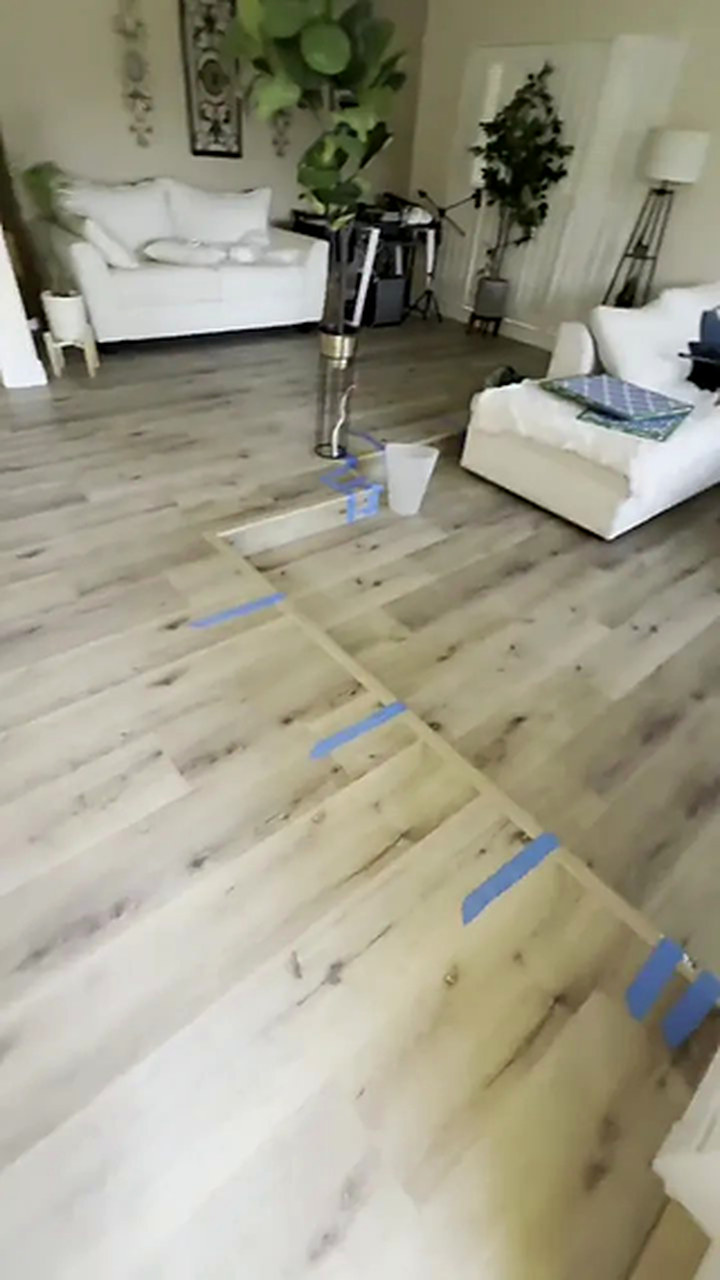
Someone from our team walks the rooms, works out whether what is down now gets covered or demolished, measures the space and gives you the price at that same visit. Projects 400 square feet and up.
Contact us
Four boxes, or one phone call. Someone from our team comes to the house, walks the rooms with you, and gives you the price standing in the room.
We call you back to set a time.